Like it or not, the indescribable nature of “Patrick Still Lives” makes its quality debatable, but its entertainment value assured.
THE PENNY DREADFUL PICTURE SHOW (2013)
Films like “VHS2,” “The ABC’s of Death,” and even “Chilling Visions” have set a higher standard, and “Penny Dreadful” is neither polished nor tight enough to meet that same bar.
PATRICK (1978)
Franklin and De Roche are in no rush to push the plot towards the finish line, though this intention is deliberately styled from Franklin’s fascination for Hitchcockian suspense rather than a mistimed sense of pace.
STITCH (2014)
“Stitch” is either a decent movie felled by too much ambition and tremendously bad visual effects, or it is a bad movie modestly elevated by decent performances from a capable cast.
SILENT NIGHT, BLOODY NIGHT (1972)
“Silent Night, Bloody Night” is an unusual mix from a time when dramatic theatricality went beyond snarky one-liners and creative kills.
20 FT. BELOW: THE DARKNESS DESCENDING (2014)
The hodgepodge of varied ideas is so mismatched that it has to be asked, who is the target audience for “20 Ft. Below?”
BLOODLUST (1961)
“Bloodlust!” delivers satisfying late night chiller charm that is surprisingly daring for an overlooked sixties schlocker unjustly derided as a campy disappointment if it is even remembered at all.
NURSE 3D (2013)
(Paz de la Huerta), like ("Nurse 3D"), can remain hotly debated on a quality level, but denying the way that both demand eyes to be turned towards the screen is a much harder argument to win.
DEVIL'S DUE (2014)
It is difficult to conceive of a pitch meeting where the studio didn’t ask, “how is this any different than Rosemary’s Baby?” and the filmmakers weren’t caught with the only possible response of, “well this one is shot as found footage.”
I, FRANKENSTEIN (2014)
Could “I, Frankenstein” really be as disappointing as its 4% rating on Rotten Tomatoes would suggest? Yes and no. Although mostly yes and only a little bit no.
DERANGED (2012)
It may have needed another helping hand from a dark streak of black comedy, but a cleaner execution, a sleeker script, and an intelligible lead could have made all the difference in making “Deranged” better than it is.
FIELDS OF THE DEAD (2014)
When it is all said and done, “Fields of the Dead” ends only after confusing the story to a point that would blow a robot’s brain with a “does not compute” error.
THE HOSPITAL (2013)
Here is a film critic quote that is 100% unaffiliated with the production, 100% honest, and 100% accurate: “The Hospital” is terrible.
CODE RED (2013)
... the movie is at best a decent enough 80 minutes of action only for those who just need bursting bullet squibs and stuntmen flying into things to be entertained.
SCORNED (2013)
“Scorned” is an entertainingly trashy mix of soapy Lifetime drama and sleazy Cinemax sexiness in service of a guilty pleasure revenge thriller with B-movie appeal.
HERETIC (2012)
“Heretic” starts with a veneer of being a smarter than average thriller until a snail’s sprint to an uninspired final revelation solidifies the film as fairly routine horror fare.
HAUNTING OF THE INNOCENT (2014)
“Haunting of the Innocent” is a movie with unique ideas for a thriller centered on Norse mythology that buries itself under slow mounting exposition with a shovel of mismatched framing devices.
GRAND PIANO (2013)
“Grand Piano” is the type of impossibly preposterous thriller setup that can only exist in the movies, but then, that is exactly the type of story that movies are meant for telling.
THE INVOKING (2013)
It is a slow story with unpolished edges in its delivery, but “The Invoking” is far from being a phoned-in effort from filmmaking newcomers putting their hearts into a film that costs less to make than it does to buy a pre-owned Toyota.
DEADLY WEEKEND (2014)
... this is one of those movies where once it drops out of the New Release section of VOD streaming and DVD listings, it may as well disappear from planet Earth entirely.
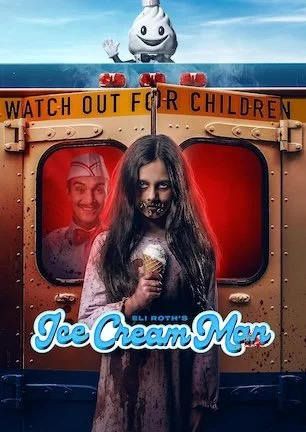
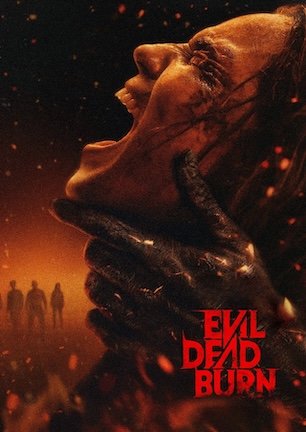
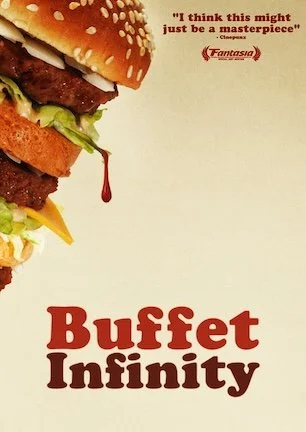
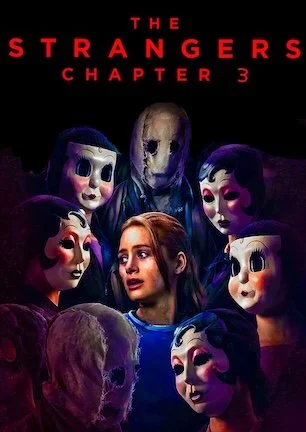
There’s enough to warrant sticking it out to the end, while those with different tastes might be more eager to follow Zach Cregger’s example.